Understanding Kitchen Exhaust Standards for Safer Commercial Kitchens
Why Kitchen Exhaust Standards Matter More Than You Think
I have spent years walking through commercial kitchens that look spotless on the surface, yet hide a dangerous truth inside the ductwork. The stainless steel hoods gleam, the tiles are scrubbed, but up above, where grease-laden vapors travel day after day, a thick layer of combustible residue builds up. That is where the real risk lives. Kitchen exhaust standards, particularly those set by the National Fire Protection Association, are not just bureaucratic paperwork. They are the difference between a minor maintenance issue and a catastrophic fire that shuts down a business for good.
When I first started inspecting exhaust systems, I was surprised by how many kitchen managers thought a quick wipe of the grease filters was enough. It is not. The exhaust fan might spin freely, and the kitchen exhaust hood might look clean from below, but the ductwork inspection often tells a different story. Grease buildup inside the duct can reach dangerous thickness in just a few months, especially in high-volume operations. That is where the bare metal standard comes in. It demands that every interior surface of the exhaust system be cleaned down to the bare metal, leaving no residue behind. It is a strict requirement, but it exists for a reason.
The kitchen exhaust standards that guide this work are rooted in NFPA 96, the standard for ventilation control and fire protection of commercial cooking operations. This document has been refined over decades, informed by real fires and real failures. It covers everything from the design of the system to the frequency of cleaning. If you run a commercial kitchen, or if you clean them for a living, NFPA 96 is your playbook.
The Core of the Standards: NFPA 96 and the Bare Metal Standard
NFPA 96 is not a suggestion. It is adopted by many local fire codes and enforced by fire marshals during inspections. The standard lays out specific requirements for hood cleaning, exhaust system maintenance, and fire safety compliance. One of the most misunderstood parts is the bare metal standard. It means exactly what it says: after cleaning, the interior of the ductwork, the hood, and the exhaust fan must be free of any visible grease. No streaks, no patches, no residue that a gloved hand can pick up.
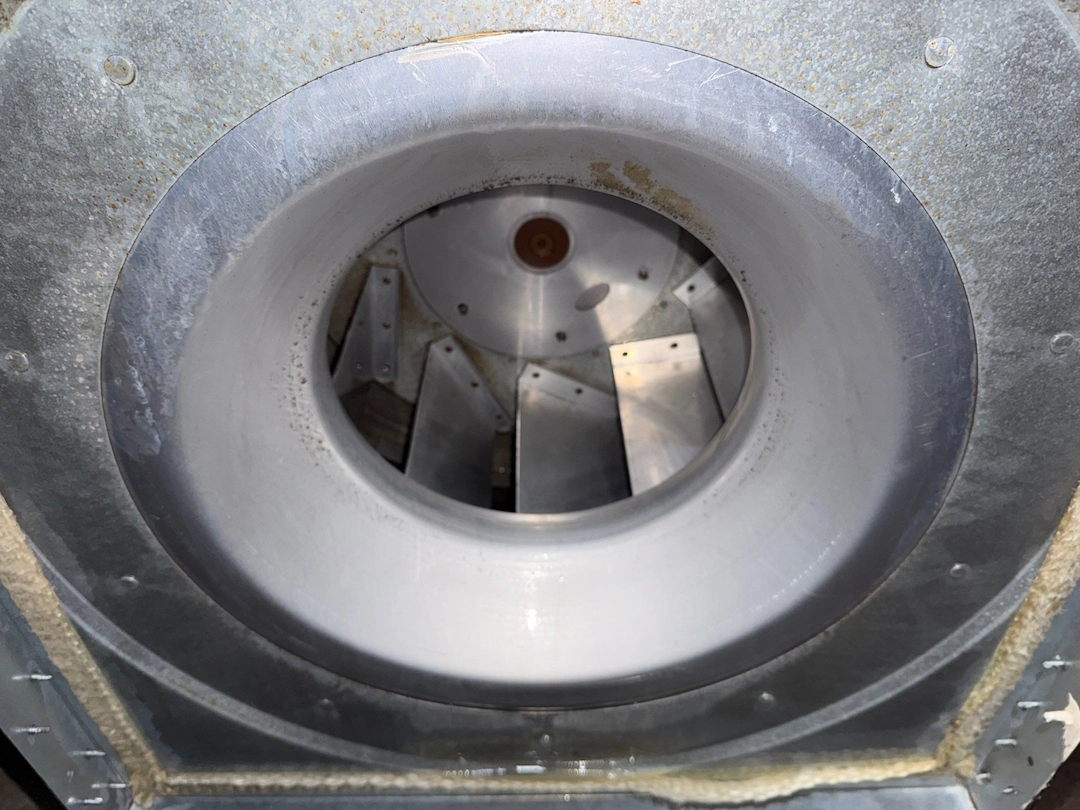
I have seen kitchens where the cleaning crew only scrubbed the areas they could reach from the hood opening. They left the deeper duct sections untouched. That might pass a quick glance, but it will not pass a hood inspection report. Fire inspectors know exactly where to look. They will check the transition between the hood and the duct, the areas around the exhaust fan, and the horizontal runs where grease tends to pool. If any of those surfaces show grease buildup, the system fails inspection. That failure can lead to fines, shutdown orders, or increased insurance premiums.
The bare metal standard is not about aesthetics. It is about removing the fuel source for a potential fire. Grease is highly combustible. When it accumulates inside a duct and the exhaust fan is running, a small spark from a motor or a cooking surface can ignite the entire line. A fire suppression system, such as a UL 300 listed system, is designed to extinguish flames at the cooking surface and inside the hood, but it cannot reach deep into the ductwork. If the duct is coated in grease, the fire can travel beyond the reach of the suppression system, spreading through the building. That is why kitchen exhaust standards require thorough cleaning that leaves no grease behind.
How Often Should You Clean? The Role of Exhaust Cleaning Frequency
One of the most common questions I get is about exhaust cleaning frequency. NFPA 96 does not give a one-size-fits-all answer. Instead, it bases the schedule on the volume of cooking and the type of food being prepared. A fast-food restaurant that fries chicken all day will need more frequent cleaning than a bakery that mostly bakes bread. The standard provides a range, typically from monthly to quarterly, but the final determination depends on the amount of grease buildup during a hood inspection report.
I recommend that kitchen operators keep a log of every cleaning, including photos of the system before and after. This documentation is invaluable during fire safety compliance audits. It shows the inspector that you are following the standards and that your cleaning crew is actually achieving the bare metal standard. Without that record, you are relying on someone's word, and in my experience, that is not enough.
Another factor is the type of grease filter used. Standard baffle filters catch a significant amount of grease, but they do not catch everything. Some grease always passes through and deposits inside the ductwork. Modern systems with high-efficiency grease containment can reduce the load, but they do not eliminate the need for regular cleaning. The exhaust fan itself also needs attention. If the fan blades are caked with grease, the fan becomes less efficient, and the imbalance can cause vibration or mechanical failure. Both the hood and the fan must be cleaned to the same bare metal standard.
Common Pitfalls in Exhaust System Maintenance
Over the years I have identified three recurring mistakes that kitchens make when trying to comply with kitchen exhaust standards.

- Relying on chemical degreasers alone without mechanical scrubbing. Chemicals can help loosen grease, but they do not remove it. You still need to scrub every surface until it shines.
- Ignoring the ductwork beyond the first access panel. Many cleaning crews only clean what they can see from the hood. The horizontal ducts and the areas near the exhaust fan are often neglected.
- Skipping the roof section. The exhaust fan and the ductwork that extends to the outside are exposed to weather and can accumulate grease just as fast as the interior sections. If those areas are not cleaned, the fire hazard remains.
Addressing these issues is not just about passing inspection. It is about protecting your staff, your customers, and your investment. A kitchen fire can destroy a business in minutes. Insurance might cover the building, but the downtime and lost revenue can be devastating. Following the standards is the cheapest insurance you can buy.
The Connection Between Hood Cleaning and Fire Suppression Systems
A properly maintained kitchen exhaust hood works hand in hand with the fire suppression system. The suppression system, usually a UL 300 liquid agent system, is installed inside the hood and connected to the cooking appliances. When a fire breaks out, the system discharges agent onto the cooking surface and into the hood. But if the ductwork is clogged with grease, the fire can travel upward faster than the suppression system can reach it. That is why NFPA 96 requires that the entire exhaust pathway be cleaned regularly. The suppression system is your last line of defense, but it cannot do its job if the exhaust system is dirty.
I have been on calls where a kitchen had a brand new fire suppression system, but the ductwork had not been cleaned in over a year. That kitchen was a ticking bomb. The kitchen exhaust standards exist precisely to prevent that scenario. They force operators to think about the whole system, not just the parts they see every day.
How to Choose a Qualified Hood Cleaning Service
Not all cleaning companies are created equal. When you hire a service, you are trusting them with the safety of your kitchen. Look for a company that provides a detailed hood inspection report after every cleaning. That report should include before and after photos, a checklist of areas cleaned, and a note on whether the bare metal standard was achieved. A company like clean hood pro, for example, builds its entire process around NFPA 96 compliance. They know exactly what inspectors look for and they train their technicians to meet those standards every time.
Ask about their certification and training. Do they understand the difference between a visual clean and a bare metal clean? Do they have liability insurance? Do they offer a guarantee that their work will pass inspection? These are not small details. A poor cleaning can leave you exposed to fines and fire risk.
The Future of Commercial Kitchen Ventilation
The industry is moving toward smarter systems that monitor grease buildup in real time. Sensors inside the ductwork can alert operators when the grease layer reaches a critical thickness. That data can be used to schedule cleanings based on actual conditions rather than a calendar. But even with these advances, the basic principles of kitchen exhaust standards remain unchanged. You still need to clean down to bare metal. You still need regular ductwork inspection. You still need a fire suppression system that is tested and maintained.

Technology makes compliance easier, but it does not replace the human judgment and thoroughness that a good cleaning crew brings. The National Fire Protection Association updates NFPA 96 every few years, incorporating lessons from real fires and new research. Staying current with those updates is part of the job for anyone serious about commercial kitchen ventilation.
In the end, kitchen exhaust standards are not just rules written by a committee. They are practical guidelines born from hard experience. Every fire that could have been prevented, every inspection that caught a problem before it turned into a disaster, reinforces their importance. If you operate a commercial kitchen, treat these standards as your daily practice, not an annual chore. Your kitchen, your staff, and your bottom line will thank you.